Most home EV charging happens through an AC (Level 2) charger, which is slower than public DC fast-charging but far cheaper to install and gentler on the battery over years of daily use.
Before installing one, check your electrical panel's spare capacity — a home charger typically draws a continuous load comparable to a few air conditioners running at once, so an older or fully-loaded panel may need an upgrade.
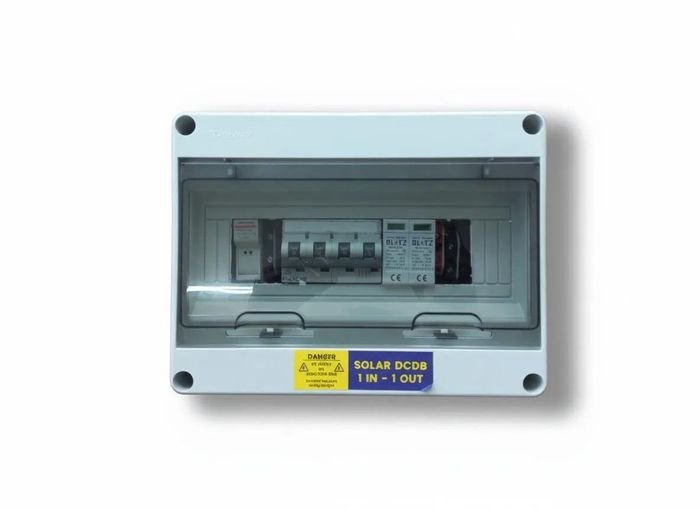
Pairing a home charger with rooftop solar is increasingly common in Kerala, letting you charge during daylight hours largely on your own generation rather than grid power.
Installation should always go through a licensed electrician familiar with EV charger wiring — corner-cutting here is a genuine fire-safety concern, not just a compliance formality.
A practical look at how monthly electricity bills translate into system size, investment and payback.
What net metering means for a grid-tied system and what to check before commissioning.
LiFePO4 batteries cost more upfront but last longer and need less maintenance.
Get a free site survey and a system sized right for your roof and your bill.